Schlagwortarchiv: raster

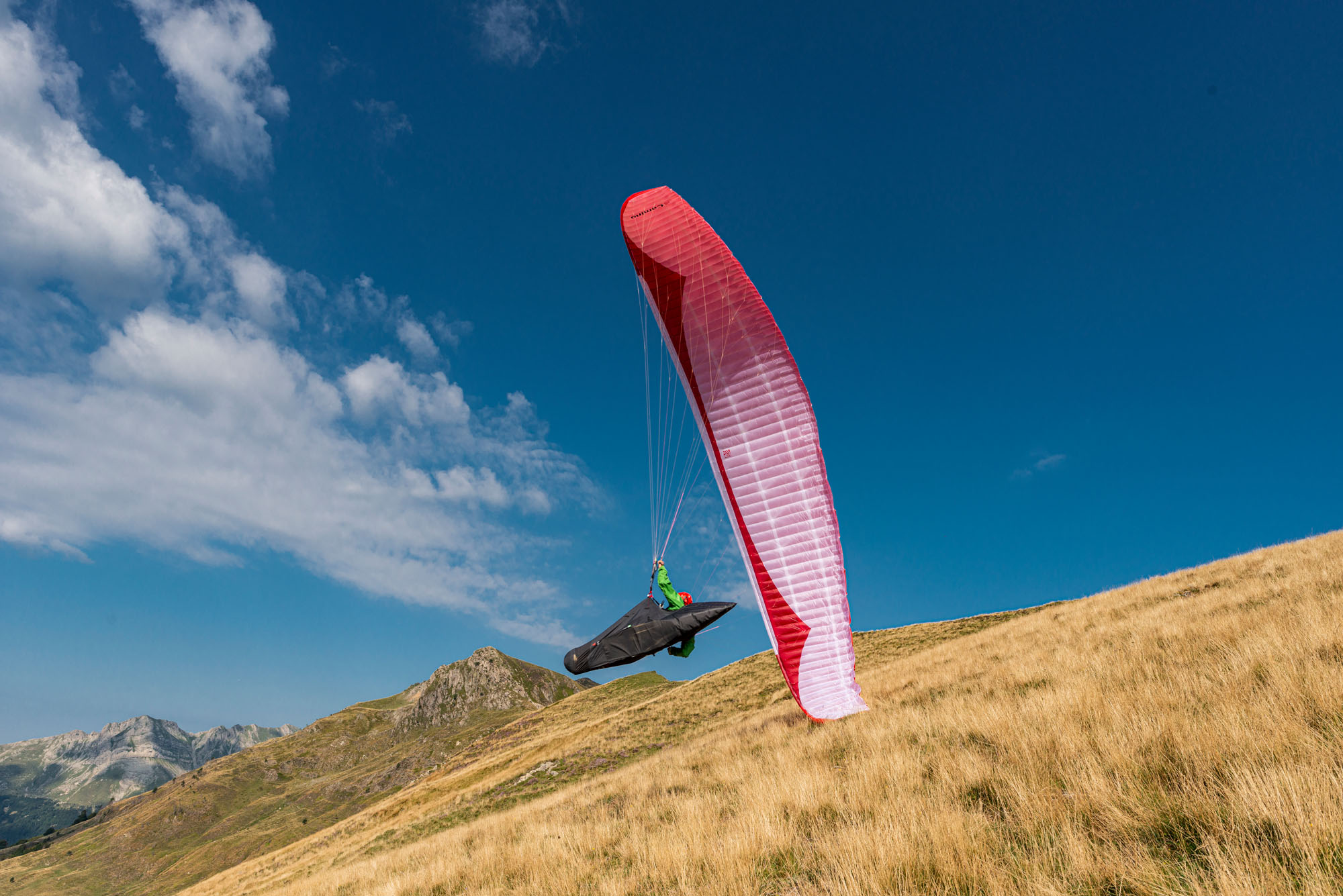
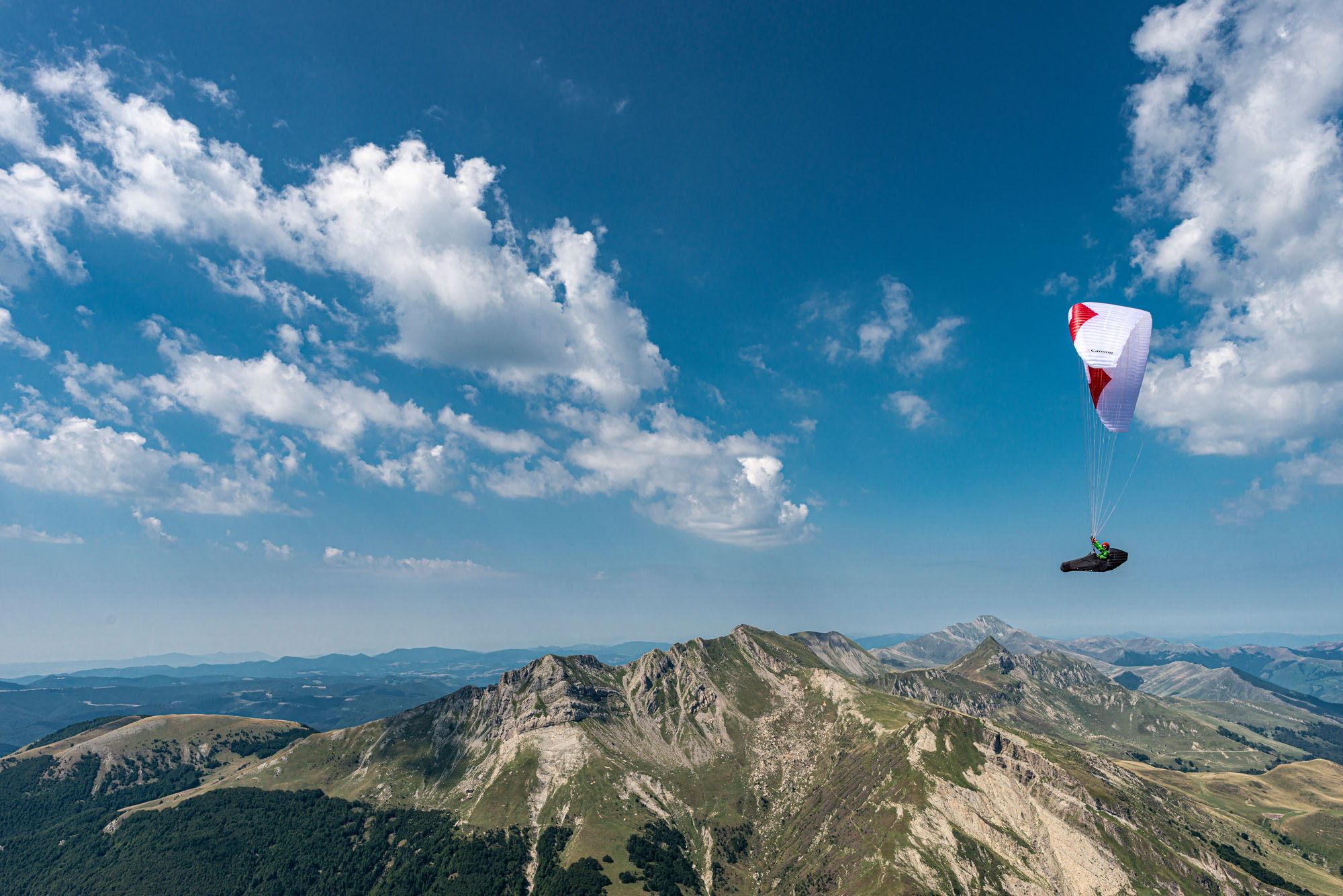
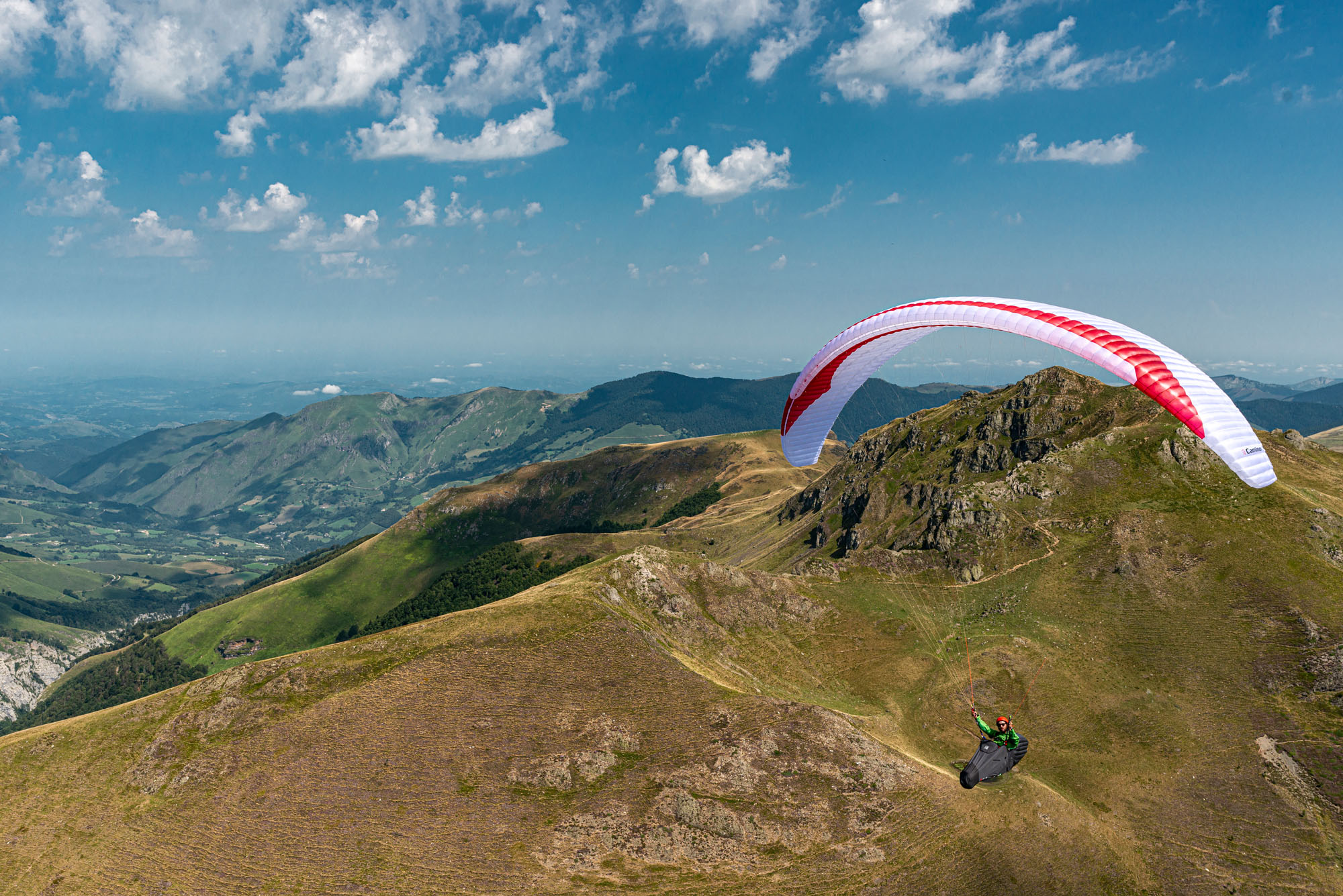
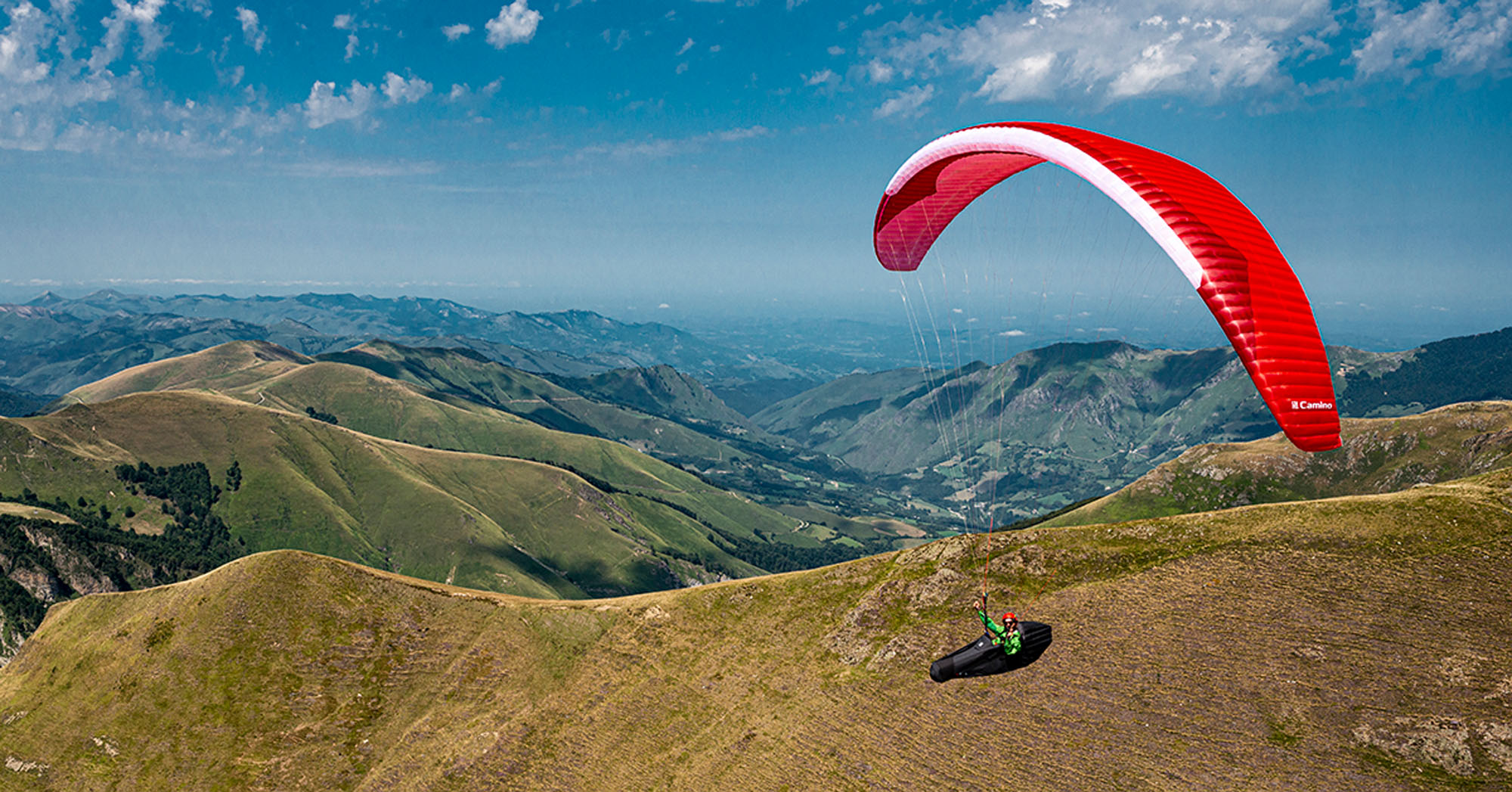
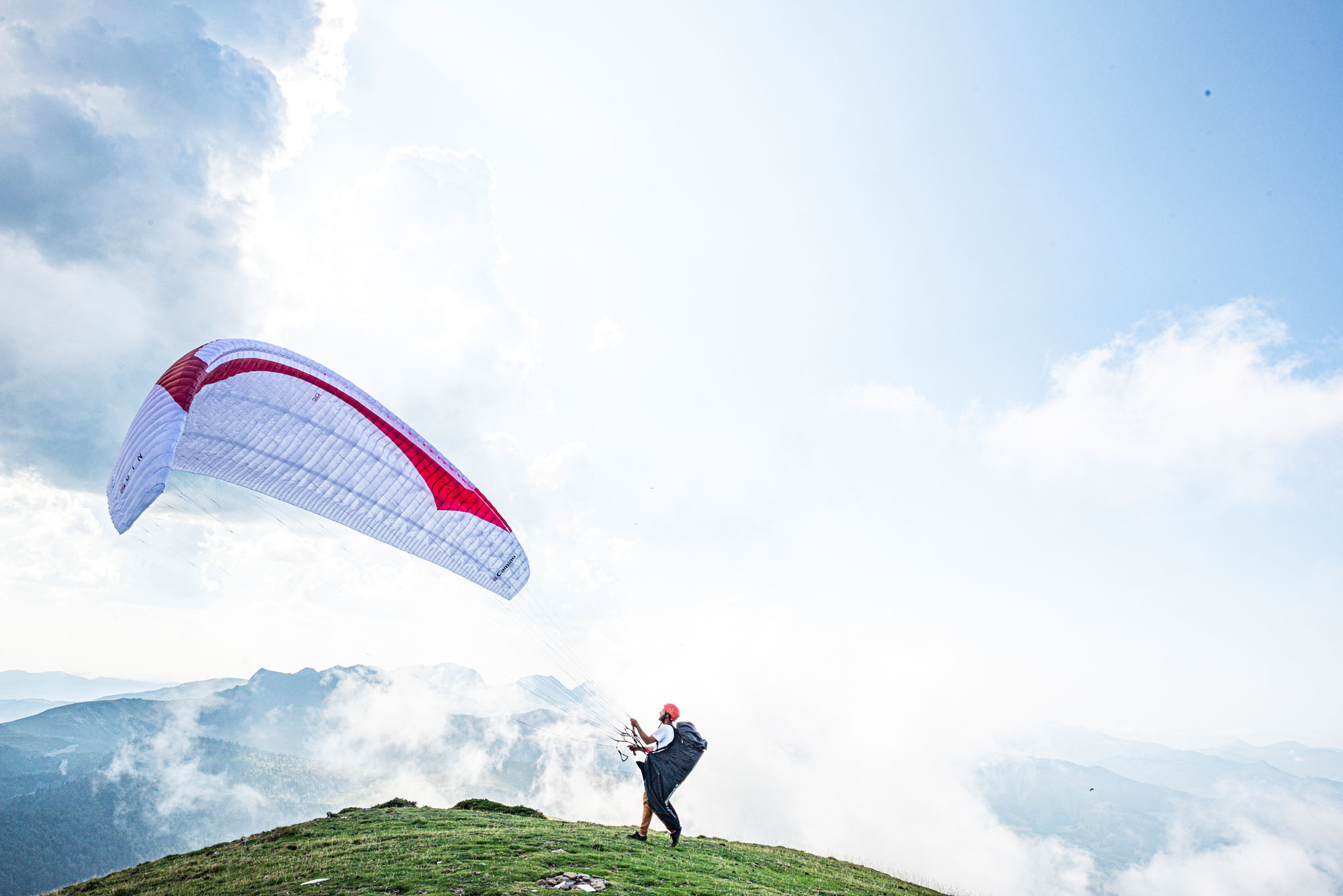
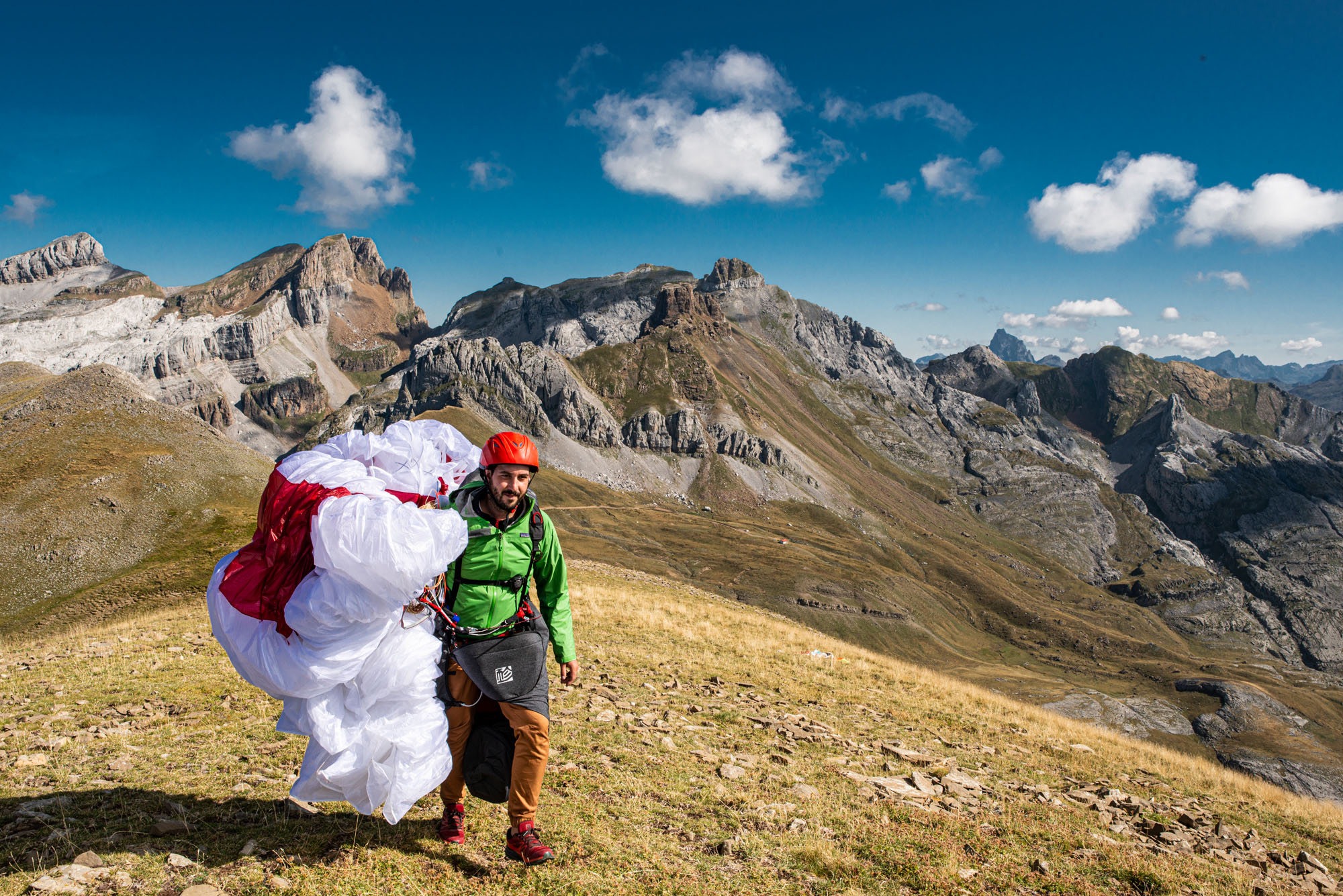
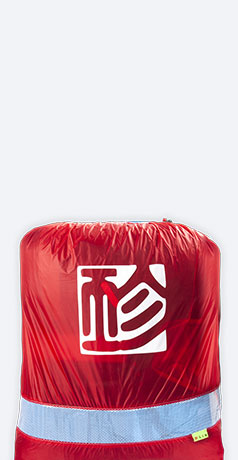
NEW GIN Camino Light XC Paraglider EN C

Camino

    Leichter XC-Gleitschirm EN C

Beweglich, elektrisierend

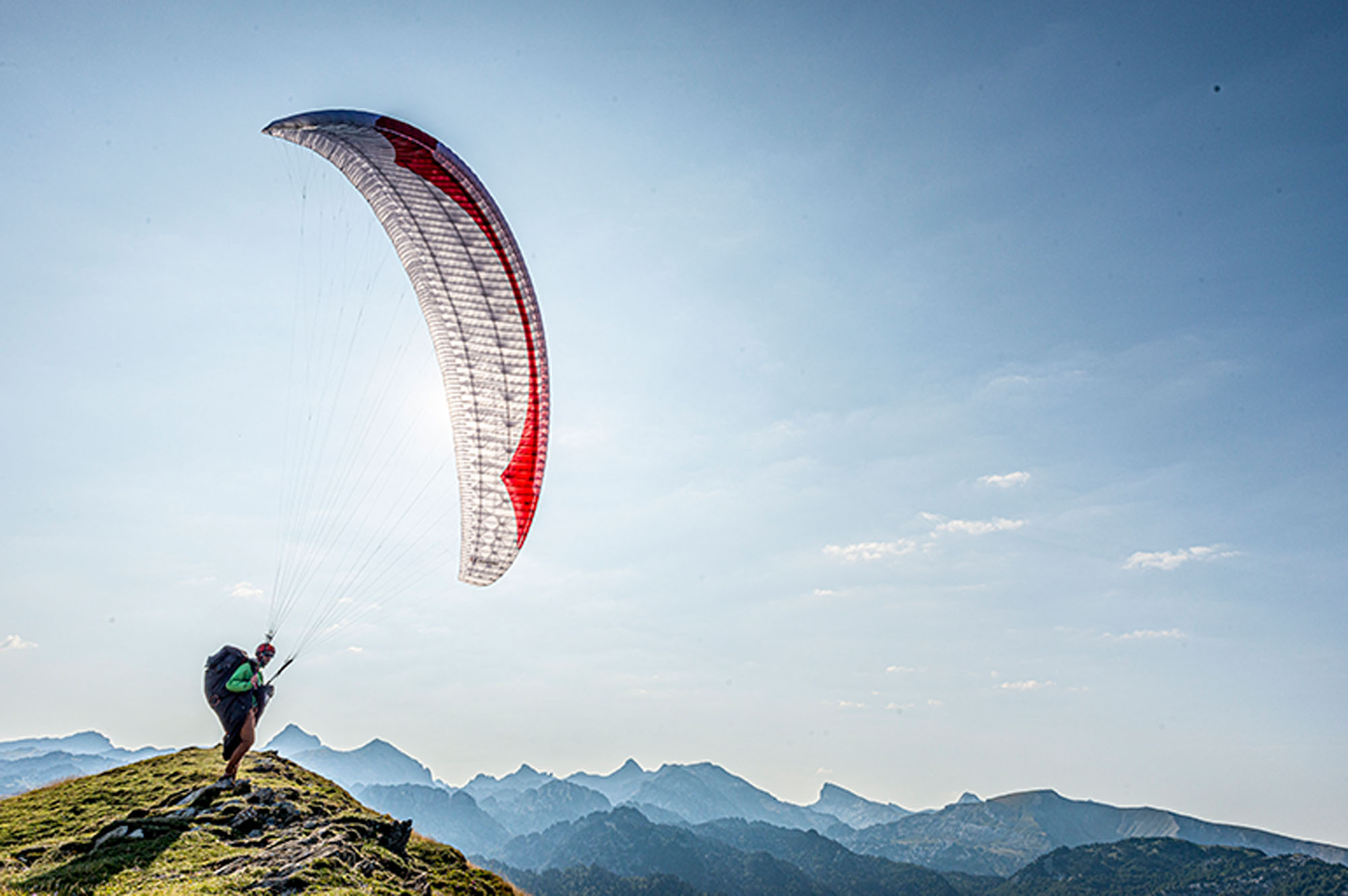
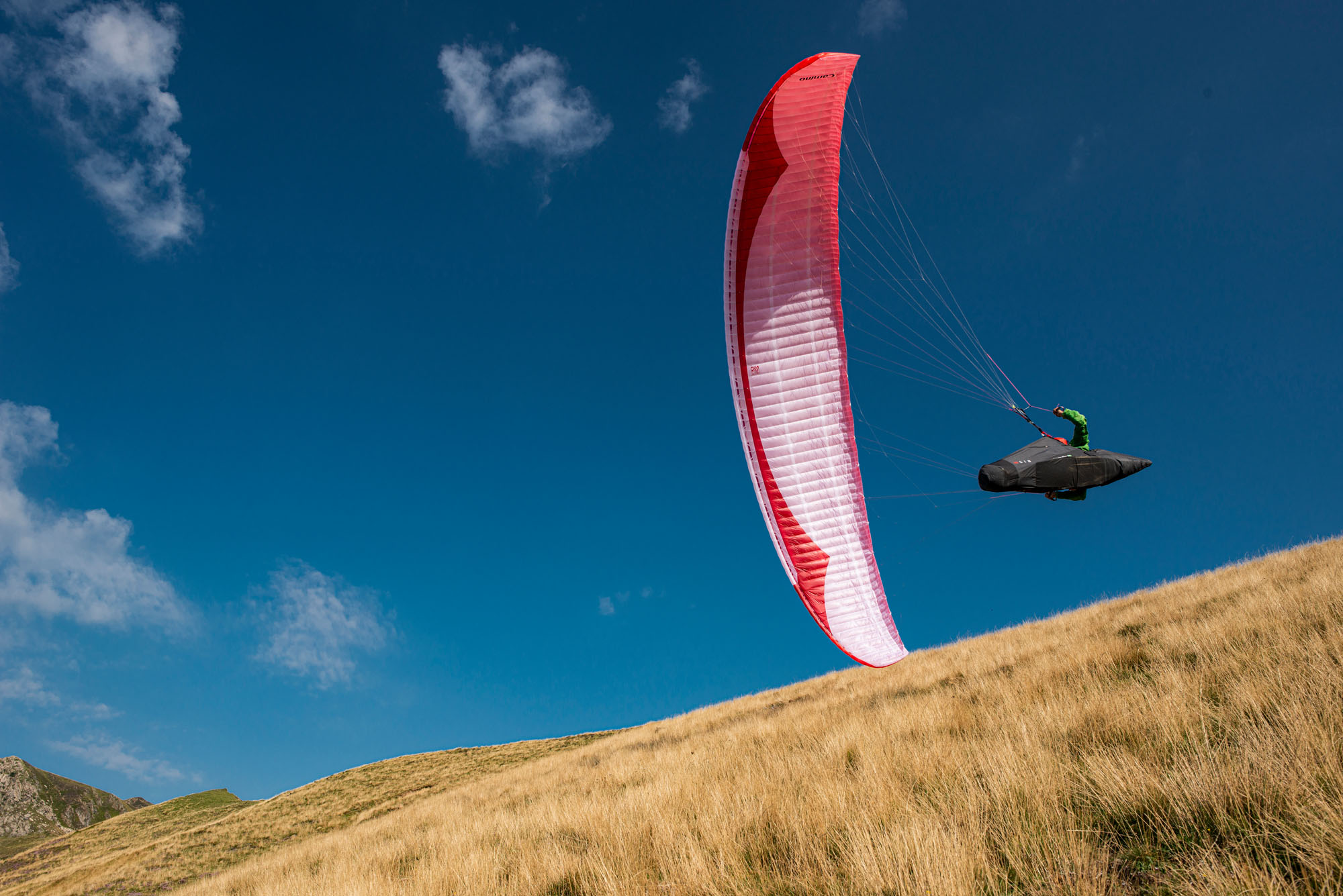
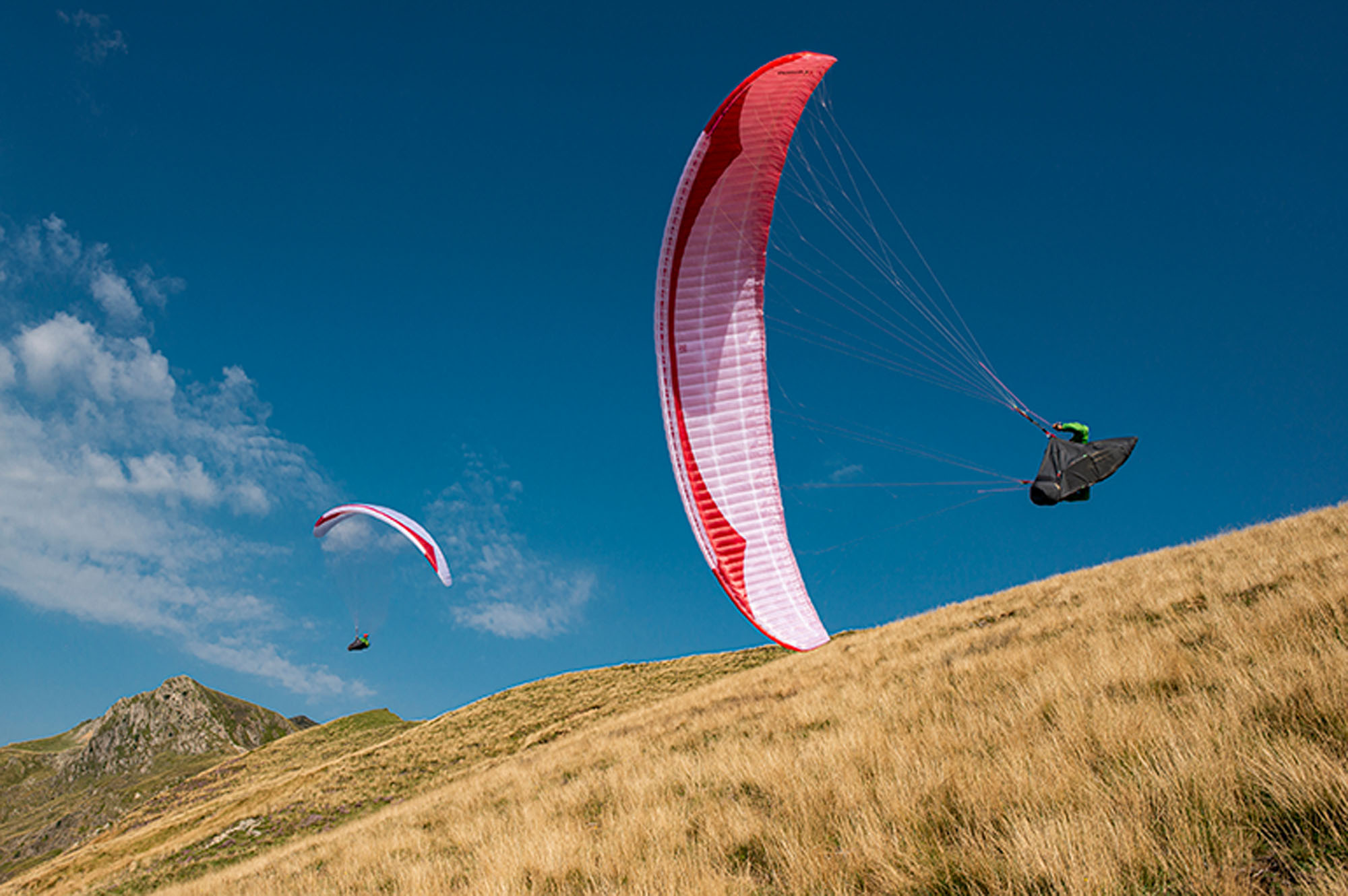
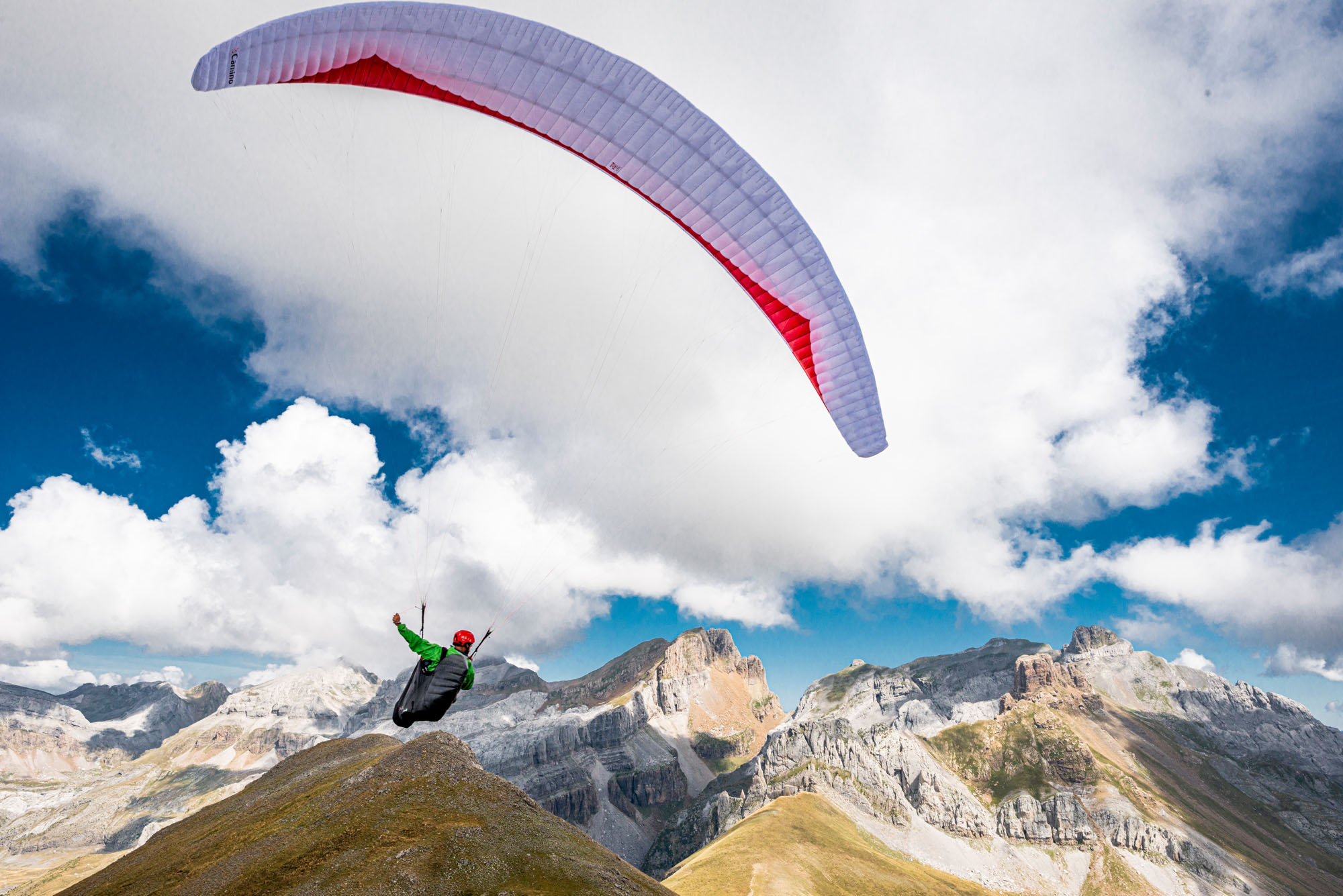
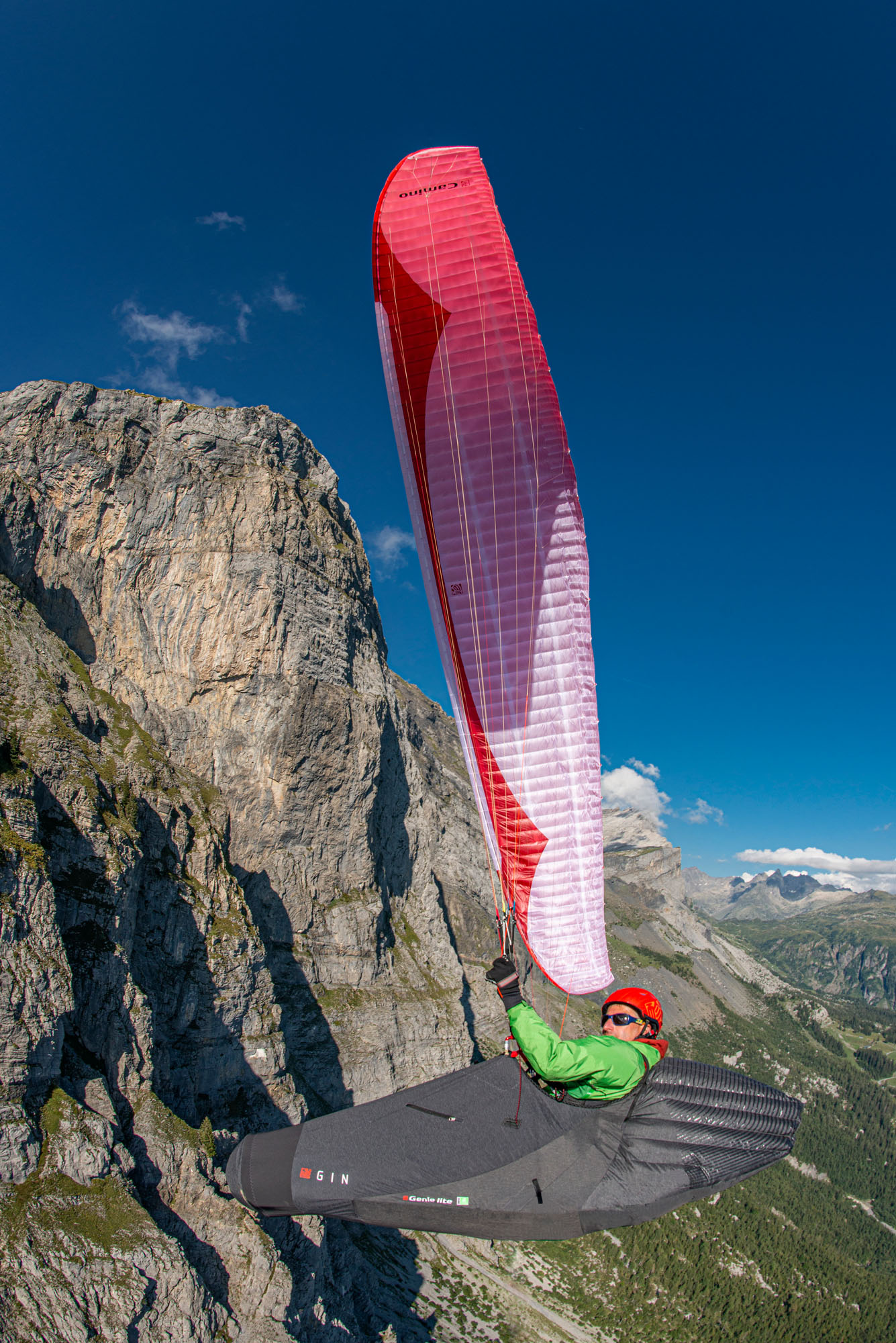
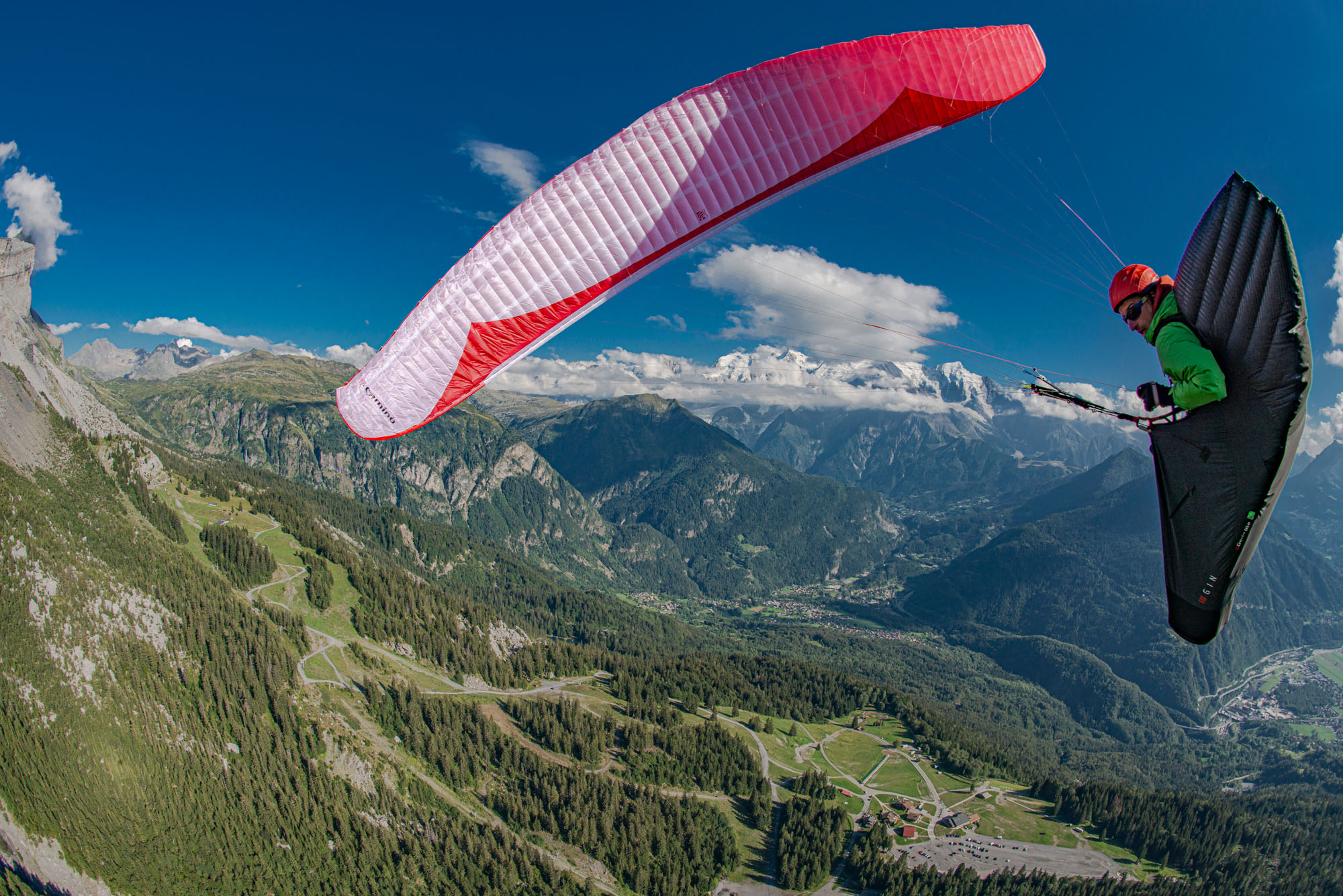
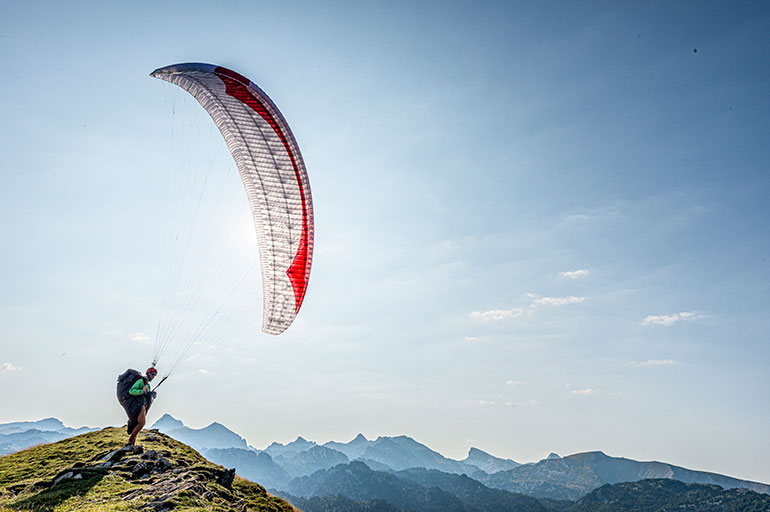
Der Camino - bereit für Abenteuer auf dem Trail und am Himmel. Es bietet eine verführerische Mischung aus reibungslosem, agilem Handling und elektrisierender Leistung in der Praxis.

Der Camino eignet sich für Piloten, die nicht nur gerne weit fliegen, sondern auch das Abenteuer lieben, egal ob es sich um Hike 'n Fly, Vol Biv' oder einfach nur um schnelles und leichtes Reisen handelt.

    agiles, dynamisches Handling
    sanftes Aufpumpen und leichtes Abheben bei allen Windbedingungen
    Hervorragende Leistung über den gesamten Drehzahlbereich, insbesondere bei Turbulenzen und Gegenwind
    schnelle und gleichmäßige Beschleunigung auf der Stange
    Sehr stabil für die Klasse, besonders auf Bar
    gut gedämpfte Tonhöhenregelung
    hervorragende kletterfähigkeit
    leicht (4,15 kg M Größe)
    kompakt

Technische Daten

Grössen XXS XS S M L
ausgelegte Fläche (m2) 19.4 20.7 22.6 24.5 26.5
ausgelegte Spannweite (m) 11.18 11.54 12.06 12.56 13.06
ausgelegte Streckung 6.44 6.44 6.44 6.44 6.44
projizierte Fläche (m2) 16.63 17.75 19.38 21.01 22.72
projizierte Spannweite (m) 9.04 9.34 9.76 10.16 10.57
projizierte Streckung 4.92 4.92 4.92 4.92 4.92
Flügeltiefe (m) 2.17 2.24 2.34 2.44 2.54
anzahl Zellen 71 71 71 71 71
Gleitschirmgewicht (kg) 3.55* 3.70* 3.90* 4.15 4.45
Empfohlener Gewichtsbereich (kg) 55-75 65-85 75-95 85-105 95-120
Zulassung EN C EN C EN C EN C EN C

* Quoted weight with optional light Dyneema risers (200g)

Flexibilität und Handhabung

Der Camino liegt agil in der Luft, lässt sich beim Abheben sanft aufpumpen und ist in Tonhöhe und Turbulenzen natürlich gedämpft. Wie sein Gegenstück, der Bonanza 2, bietet der Camino hervorragende Kletterfähigkeiten. Das leichtere Material erhöht die Präzision und macht das Klettern so effizient und angenehm wie nie zuvor. Der Camino scheint einen sechsten Sinn zu haben, um die Thermik auszuloten, indem er Sie sanft zum Lift führt.

Leistung und Stabilität bei Geschwindigkeit Der Camino hat eine Innenkonstruktion, die eher auf Stabilität und Leistung als auf absolute Leichtigkeit optimiert ist. Die meisten der drei Zellenblöcke sind mit „Querträgern“ verbunden, die dazu beitragen, einen perfekten Lichtbogen zu erhalten, auch wenn der Geschwindigkeitsbalken maximal gedrückt wird. Dadurch beschleunigt der Flügel schnell und gleichmäßig und bietet gleichzeitig eine gute Dämpfung. Darüber hinaus erleichtert das verbesserte Smart-Riser-System durch Entfernen der Brücke zwischen B- und C-Riser die Steuerung der hinteren Riser noch weiter. Effektive Geschwindigkeitsbalkenbedienung und -leistung sind der Schlüssel für lange XCs, und der Camino erledigt kurze Arbeiten mit langen, schnellen Gleiten. Natürliche Pitchdämpfung Da leichteres Gewebe weniger Trägheit bedeutet, verfügt der Camino über hervorragende natürliche Pitch-Dämpfungseigenschaften. Der Flügel absorbiert reibungslos Turbulenzen, erhöht die Leistung und verringert die Arbeitsbelastung. Die Inflation beim Abheben ist gleichmäßig und progressiv, auch wenn Sie etwas zu enthusiastisch ziehen. Insgesamt ist der Camino im Vergleich zum angebotenen Leistungsniveau leicht zu fliegen. Designer Notizen Designer Gin Seok Song erklärt die Philosophie des Camino „Unser Ziel war es wirklich, die Agilität des Explorers (EN B) mit der Geschwindigkeit des Leoparden (EN D) zu kombinieren und ihn in einem leichten Paket anzubieten. Da wir mehr als zwei Jahre mit der Entwicklung des Bonanza 2 verbracht haben, hatten wir bereits viel Erfahrung mit diesem Tragflächenprofil, dieser Planform und der Innenkonstruktion. Beim Camino haben wir die Stoffgewichte, die Schnurdurchmesser, die Kunststoffverstärkungen und die Tragegurte sorgfältig überlegt. Am Ende fanden wir, dass das Kerndesignkonzept sich hervorragend auf das leichtere Material übertragen lässt. “
 

Technische Details

  • Optimized airfoil with Equalized Pressure Technology (EPT) for stability and performance
  • Unsheathed aramid lines with optimized diameters
  • 3 risers / 3 lines spanwise
  • Colour-coded stabilo line for easy identification
  • Optimized internal construction with “cross-beams” to give better stability and performance
  • Optimized sail tension on the leading edge
  • Mini-ribs on the trailing edge improve handling and performance
  • Speed system with Harken pulleys
  • Gathering (reefing) system on the trailing edge
  • Fabric selected for the lightest weight: 34g/m² front top surface and 27g/m² top surface rear and bottom surface
  • Smart riser system for effective rear (“C”) riser steering
  • Also available with optional dyneema risers (200g weight saving)

Materialien

Kappe

Obersegel Eintrittskannte: Porcher Skytex, 34 g/m²

Obersegel: Porcher Skytex, 27 g/m²

Untersegel: Porcher Skytex, 27 g/m²

Leinen

Oben: Edelrid 8000 / U-050 / 070 / 090 (unsheathed aramid)

Mitte: Edelrid 8000 / U-050 / 070 / 090 (unsheathed aramid)

Stammleinen: Edelrid 8000 / U-070 / 090 / 130 / 190 / 230 / 280 (unsheathed aramid)


Farben

Farben Farben

Lieferumfang

Documents

Betriebsanweisung

  • EN
  • DE

    Quelle:  best greets to  https://www.gingliders.com  
 

CROSSING THE ALPS WITH JULIEN IRILLI in 44 Days

CROSSING THE ALPS WITH JULIEN IRILLI


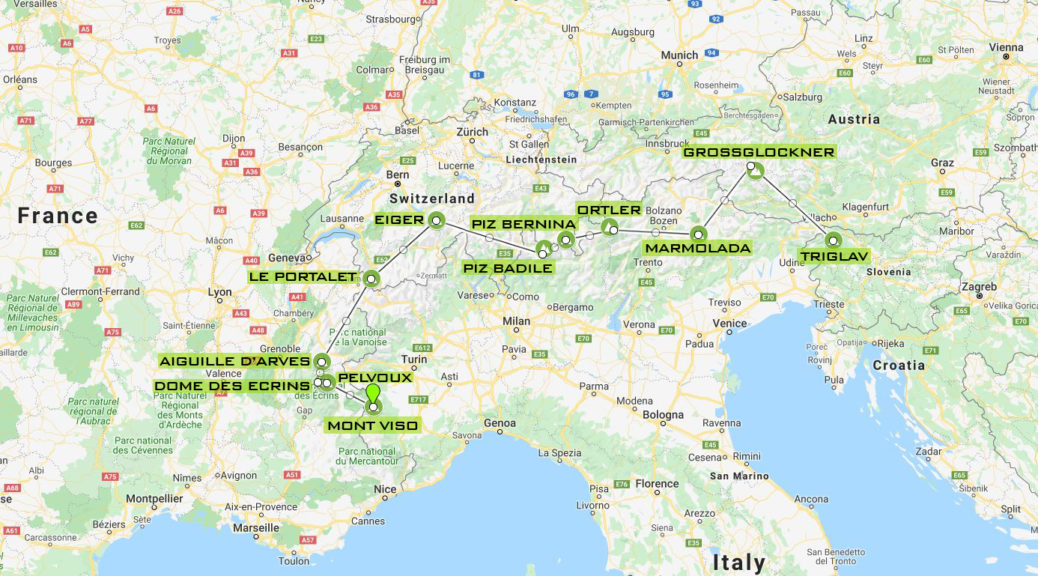
Earlier this summer, Julien Irilli began a new hike & fly adventure with the aim of crossing the Alps from Slovenia to Monaco.

The adventure, which included solo and tandem sections, lasted for a total of 44 days. His adventure began on the 24th of July, flying from Slovenia with the Takoo 4, accompanied by Erika Besson. During the first 10 days, they climbed the highest Slovenian mountain, Triglav (2864m) and also the highest mountain in Austria, the Grossslockner (3800m).

Soon they reached Italy, where Julien continued his adventure alone. On the 4th of August he climbed the highest mountain in the Dolomites, the Marmolada (3343m) and flew off it with the Skin 2. Next, he ascended the Ortler (3905m) by running and climbing. On the 8th of August he reached the peak of Piz Bernina (4049 m), the highest mountain in the Eastern Alps.
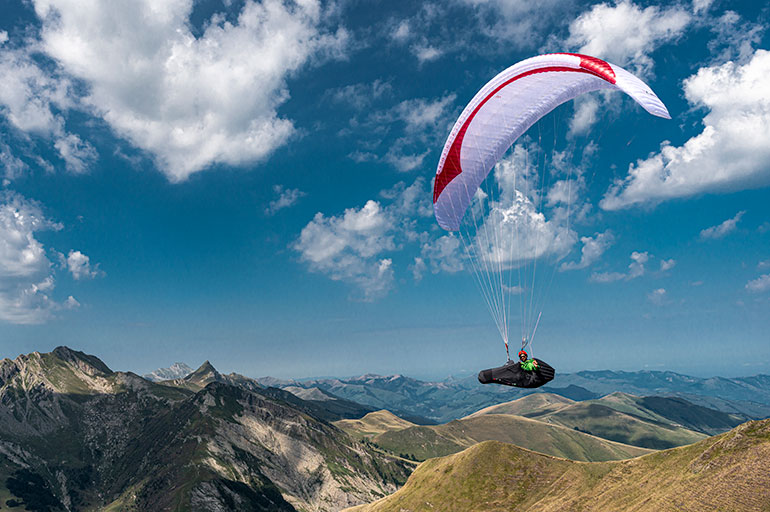
The following day he flew with Christopher Shand on the Bi Skin 2 P, taking off at 3300m and together they reached the Piz Badile (3308m). Irilli continued travelling alone from Badile to the Eiger (3970m) reaching it on the Klimber P. On the 23th of August he was joined by his friend Xavier and together they conquered the North Face of Eiger – one of the most complex climbing routes of the adventure.

Once successfully achieving this feat, he flew the Icepeak Evox to the Mont Blanc Massif to climb Le Portalet (3344m) and covered the distance from Switzerland to France to reach the top of Aiguille d’Arves (3514m).

At the start of the month of September he speed climbed the Dome des Ecrins (4015m) and flew from the top with Xavier on the Bi Skin 2 P. The next day, they hiked the Pelvoux (3946m) with the same set-up. The same day Julien flew his Icepeak Evox to Mont Viso (3841m) in Italy and he reached the peak by solo running.

The 5th of September he flew more than 100 km from Italy to Monaco with the competition glider. To complete his adventure the next day he took off from the peak of Mont Gros to fly to the sea.

What an amazing feat! Congratulations Julien!


Quelle: Niviuk Gliders http://niviuk.com

Download Your Desktop- Wallpaper “Red Bull X-Alps” in different styles

Mobile Wallpapers

Show your love for Red Bull X-Alps anywhere you go with these wallpapers.
Available in different styles, sizes and tailored to your smartphone resolution, these wallpapers will show you are a true adventure race addict!

wallpaper post race phone 01LB19
wallpaper post race phone 01LB15
wallpaper post race phone 01LB17
wallpaper post race phone 01LB21

Desktop Wallpapers

Red Bull X-Alps for your desktop, TV or next postcard to Monaco.
Choose from a wide range of mindblowing images, including the following!

wallpaper post race 2019 01LB8
wallpaper post race 2019 01LB29

Facebook Covers

Show your love for the world’s toughest adventure race on your Facebook page with a selection of tailored cover images.

wallpaper post race facebook header 01LB
wallpaper post race facebook header 01LB4

ACHTUNG!! Sicherheitsmitteilung Tandem Supair SORA 2


SORA 2
————————————————
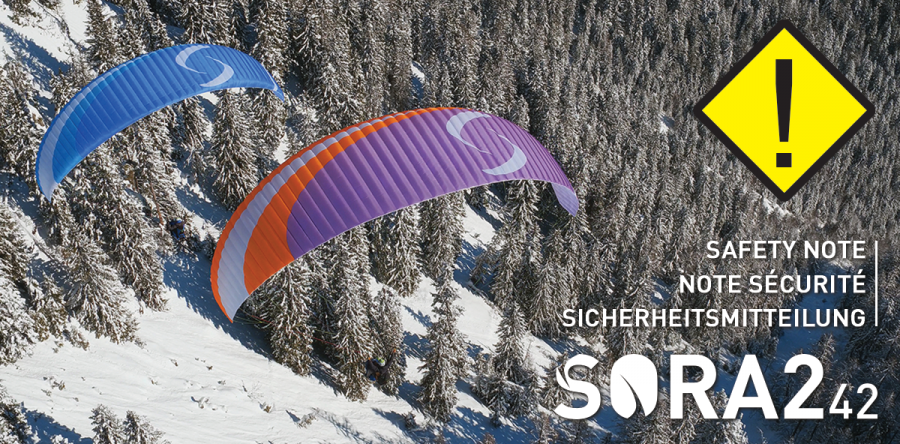
Sicherheitsmitteilung von Supair am 29.10.2019:

Unsere Untersuchungen, an denen die schweizerische Zulassungsstelle von Air Turquoise beteiligt war, ergaben keine Hinweise auf einen
besonderen strukturellen Defekt. Wir wollen den Vorfall genauer untersuchen, um zu verstehen, ob dies nur zufällige Umstände sind oder ob es sich um ein generelles Problem handelt.

Während diese Untersuchung läuft und wir auf die Ergebnisse warten, die wir Ihnen vollständig mitteilen werden, bitten wir alle Piloten, den SORA 2 -42 nicht zu benutzen!

Wir sind uns der Schwierigkeiten bewusst, die durch dieses Ersuchen verursacht werden. Aber im Falle der geringsten Zweifel in Bezug auf die Sicherheit ist vor allem das Vorsorgeprinzip zu beachten.

Seien Sie versichert, dass wir so schnell wie möglich nach einer Lösung suchen, damit Sie mit Ihrem SORA 2 sicher und zufrieden fliegen und arbeiten können.

Sicherheitsmitteilung SORA 2 (pdf)

————————————————

HIER DAS AKTUELE VIDEO AUF:    www.PARAGLIDING.TV :

DIE REFERENZ IM

PROFESSIONELLEN TANDEMBETRIEB

IN DER NEUEN GENERATION

SORA 2 profitiert von 3 Jahren Entwicklungsarbeit in verbesserter Leistung und Präzision.
Es ist wie unser erster SORA für Tandem-Profis gedacht und für den intensiven Einsatz entwickelt worden.


Kategorie : Tandem

Größen : 38 m² / 42 m²

Farben : Earth / Ocean / Fluor / Fire

Gewicht : 7,1kg (in 38) / 7,5kg (in 42)


designed-in-annecy


SORA2_1


SORA2_1
SORA2_2
SORA2_3
SORA2_4
SORA2_5


USER’S MANUAL

Format PDF

REGISTER

your glider…

WAN TO TRY ?

Contact your dealer
 
VERBESSERTES STARTVERHALTEN & PRÄZISES HANDLING


OPTIMIERTE INNENSTRUKTUR & GROSSARTIGER FLUGKOMFOR
 

SORA2

SORA 2 behält seine außergewöhnlichen Start- und Landeeigenschaften bei und bietet präzisere Steuerungsmöglichkeiten. Mit sehr wenig Nickbewegung in turbulenten Luftmassen hat der Pilot weniger Anstrengung und bietet dem Passagier ein noch angenehmeres Flugerlebnis!

Drei Jahre Entwicklungsarbeit des SUPAIR-Teams stecken im neuen SORA 2. Die Verbesserungen gegenüber dem SORA 1 sind eine Optimierung der allgemeinen Ergonomie, des noch einfacheren Start- und Landeverhaltens sowie mehr “Monoblock” -Verhalten und Ruhe für den Passagier. Das heißt der neue Tandem ist wesentlich kompakter im Fluggefühl, sowohl für Pilot als auch für Passagier.

Zudem bietet SORA 2 ein etwas kompakteres Flugverhalten mit präziseren Lenkeigenschaften als der Vorgänger. Die verbesserte innere Struktur und die Verwendung der Sharknose-Technologie ermöglichen eine geringere Verformung des Flügels in der Thermik.

Die sorgfältig platzierten Nitinol-Verstärkungen in der Eintrittskante garantieren über die Zeit eine hervorragende Nachhaltigkeit der Leistung und der Starteigenschaften des Gleitschirms.

Der SORA 2 verfügt auch über verbesserte Tragegurte mit neuem Trimmer und 4 verschiedenen Markierungen der Trimmung.

 
EINBLICKE :


“Es ist richtig, dass der Sora 1 bereits den Ruf hatte, unter schwierigen Bedingungen ohne Wind in Bezug auf das Startverhalten außergewöhnlich zu sein.
Da sind wir noch besser mit SORA 2, er ist einfach perfekt, er geht wirklich gut!

Ich denke, einer der wichtigsten Pukte des neuen SORA 2 ist seine Wendigkeit. Wir haben etwas, das viel besser als der Vorgänger Sora reagiert. Auf der Bremse ist der NEUE einfach effizienter und präziser. SORA 2 bietet mehr Festigkeit und mit dieser Festigkeit kommt es zu mehr Präzision. Das Feedback auf Bremseinsatz ist schnell und macht richtig Spaß.

Es war angenehm mit dem Sora 1 zu fliegen, es wird noch komfortabler und macht noch mehr Spaß, weil der Neue wesentlich mehr Präzision bietet. Leistung ist das große Highlicht beim SORA 2. Es war ein großes Highlight von den ersten Prototypen, von den ersten Versionen an. Wenn Sie ihn laufen lassen und zulassen, dass er durch das Trimmen an Geschwindigkeit gewinnt, kommt der große Vorteil zum Vorgänger zum Tragen. Präzises und schnelles Fliegen gegen den Wind bei hohem Komfort.

Und dann weiß ich, dass ich in den kommenden Saisons bei diesem Tandem bleiben werde, weil ich ihn liebe, er funktioniert gut. Alles, was nötig war, um es zu verbessern, wurde verbessert. SORA 2 ist der Tandem, den ich in den nächsten Jahren haben werde.”


VICTOR SEBE, ZERTIFIZIERTER TANDEMPILOT
 
TECHNICAL DETAILS :


SORA 2 38 42
Cells 54 54
Flat surface area (m²) 38 42
Span (m) 14,3 14,9
Max chord (m) 3,31 3,46
Flat aspect ratio 5,35 5,35
Number of main lines 3/3/3/2 3/3/3/2
Projected surface area (m²) 31,9 34,8
Projected span (m) 11,1 11,6
Projected aspect ratio 3,8 3,85
Glider weight (kg) 7,1 7,5
Flying weight range (kg) 110-190 120-220
Optimal flying weight range (kg) 120-170 150-190
Load factor 4,34 4,34
Scale factor 0,92 1
Certification EN – LTF B EN – LTF B
Number of risers 4 4
SPEZIFIKATIONEN :


Pilot
Zertifizierter Tandempilot
Fußstart und Windentauglich

Zubehör
Trimmer
Ohren-Anlege-Blöcke
Verstellbare Bremsumlenkung
Hochsatbile Stäbchen
Wingtip clean-up system

Materialen
Ober- und Untersegel : Porcher Sport Skytex Universal 38 g/m²
Innentuch : Porcher Sport Skytex Universal 32 g/m²
Aufgehängte Zellwände : Porcher Sport Skytex Hard 40 g/m²
Nichaufgehängte Zellwände : Porcher Sport Skytex Hard 32 g/m²

Galerieleinen : Liros
Stammleinen : Edelrid

Zertifierung
Norm EN
Norm LTF

Made in Thailand

COMPOSITION :
  • Schirm SORA 2
  • Inner bag
  • User’s manual
  • Reparaturset

QUELLE: https://www.supair.com/de/produit/sora-2/

GOLD AND SILVER TO KURT EDER AND THE ARTIK 5 IN THE 2019 WORLD XCONTEST

by Niviuk

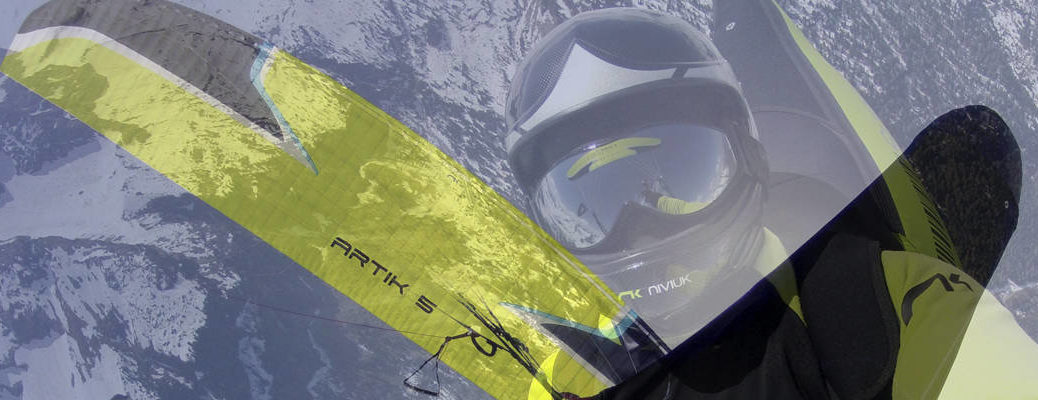
At the end of this flying season Italian pilot Kurt Eder has won the PG Sport (EN C) category of the World XContest 2019 in the with a total of 2521.52 points. But if this were not enough, his six best flights with the Artik 5 (EN C) have also earned him second place in the PG Serial (EN D) category.
https://www.paragliding.eu/niviuk-artik-5/

Niviuk Artik 5


An achievement reached thanks to spectacular flights such as the one he made in July from Antholz (Italy) where he managed to complete a FAI triangle of more than 270km.

Congratulations Kurt!
You can check the official World XContest 2019 rankings at the following links:

PG Sport: https://www.xcontest.org/2019/world/en/ranking-pg-sport/

PG Serial: https://www.xcontest.org/2019/world/en/ranking-pg-serial/

Quelle: http://niviuk.com/blog/de/gold-silver-kurt-eder-artik-5/

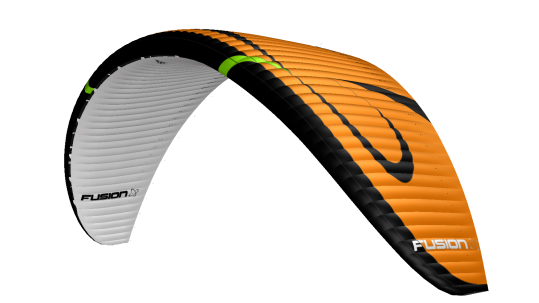
The new Flow Fusion, the Hybrid 2 and 3 Liner :-)

Flow Fusion

HIER DAS AKTUELE VIDEO AUF:    www.PARAGLIDING.TV :

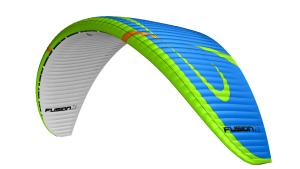
Der Flow Fusion vereint 2-Liner-Feeling mit einer EN C-Zertifizierung und ist der erste zertifizierte Hybrid-2-3-Liner-Gleitschirm. Fühlen Sie sich verbunden wie eine 2-Leiner-Rennmaschine, mit einer Lenkung für die hintere Steigleitung auf handgefertigten Bedienungsknöpfen, aber behalten Sie die Sicherheit und komfortable Arbeitsbelastung eines EN C-Segelflugzeugs bei. Eine optimierte Linienkonfiguration und einzigartige Riser ermöglichen ein dreizeiliges Layout in der Mitte der Spannweite und ein zweizeiliges Layout an den Spitzen. Die daraus resultierende Reduzierung des Luftwiderstands erhöht die Leistung spürbar.


Sorgfältige Aufmerksamkeit in der Entwurfsphase hat zu einer außergewöhnlichen thermischen Handhabung geführt, die die Zusammensetzung von 2-Liner in die EN C-Klasse gebracht hat. Die Spannung über die Spannweite erzeugt einen kompakter wirkenden Gleiter und hält die Energie in der Kurve aufrecht, die es der Fusion ermöglicht, durch den Himmel zu schnitzen. Surfen Sie mühelos zur Cloud-Basis und rennen Sie dann effizient auf der Bar davon.

Ein pechstabiles Tragflächenprofil, das weniger anfällig für Zusammenbrüche und Schwingungen ist, ermöglicht es dem Piloten, sich auf die Bedingungen und Entscheidungsfindung zu konzentrieren, ohne das Segelflugzeug unter Kontrolle zu haben. Das bescheidene Seitenverhältnis und die Anzahl der Zellen bedeuten eine angenehme Arbeitsbelastung, wie sie für ein EN C-Segelflugzeug erwartet wird. Das Haifischnasenprofil, die 3D-Formgebung und die detaillierte Innenstruktur ergeben zusammen einen modernen Flügel der Sportklasse.

Bei hoher Geschwindigkeit ermöglichen die Fusion-Tragegurte dem Piloten ein geschicktes Fliegen des Segelflugzeugs durch Ändern des Anstellwinkels, ohne das Profil zu verzerren. Dank der zwei Liner-Riser kann der Fusion die Turbulenzen effizienter überwinden, sodass der Pilot über den gesamten Geschwindigkeitsbereich eine bessere Leistung erzielen kann.

„Ich wollte die Leistung unserer äußerst erfolgreichen zweizeiligen Projekte XCRacer und Spectra in die Klasse EN C bringen. Diese Fusion hat ein zugängliches Paket hervorgebracht, das ein Traum zum Fliegen ist und eines der angenehmsten Segelflugzeuge, die ich je geflogen bin. ‘
Felipe Rezende (Flow Designer).

Technical Data

S M ML L
FLAT AREA 22.95 m2 24.45 m2 26.3 m2 28.4 m2
PROJECTED AREA 19.56 20.89 22.47 12.30
FLAT WINGSPAN 12.07 12.48 12.94 13.50
PROJECTED SPAN 9.73 10.06 10.43 10.89
ASPECT RATIO 6.35 6.35 6.35 6.35
PROJECTED AR 4.86 4.86 4.86 4.86
MAX CHORD 2.38 2.45 2.54 2.59
NUMBER OF CELLS 68 68 68 68
GLIDER WEIGHT   4.65kg 4.95kg  
TAKE OFF WEIGHT 72-92 80-103 92-115 107-128
CERTIFICATION LTF/EN C * LTF/EN C LTF/EN C LTF/EN C *

Materials

CANOPY FABRIC CODE SUPPLIER
Leading Edge Porcher Skytex 38 s Porcher Industries – France
Upper Surface Porcher Skytex 32 s Porcher Industries – France
Bottom Surface Porcher Skytex 32 s Porcher Industries – France
Supported Ribs Porcher Skytex 32 hard Porcher Industries – France
Unsupported Ribs Porcher Skytex 32 hard Porcher Industries – France
Profile Reinforcement 2.5/1.8/ Plastic pipe  
SUSPENTION LINES FABRIC CODE SUPPLIER
Upper Cascades Edelrid 8000U 130/090/070/050kg – Edelrid 9200 030kg EDELRID – Germany
Middle Cascades Edelrid 8000U 190/130/090/070/050kg
Edelrid 9200 030kg
EDELRID – Germany
Main Lines Edelrid 8000U 360/190/130/050kg
Liros DSL 140kg
EDELRID – Germany
LIROS GmbH – Germany
RISERS FABRIC CODE SUPPLIER
Shackles Maillon Rapide ANSUNG PRECISION – Korea
Riser Webbing 12mm zero stretch polyester webbing Guth&Wolf GmbH – Germany
Pulleys Pulleys Ronstan ball bearing Ronstan – Australia

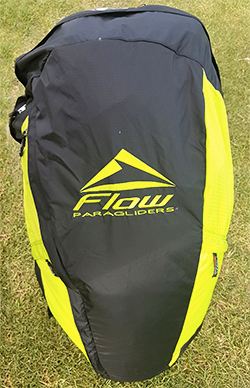
Rucksack

  • Bequem mit Hüftgurt und verstellbarem Brustgurt
  • Farben: Lime / Black
  • 2 Größen. L und M

Delivery

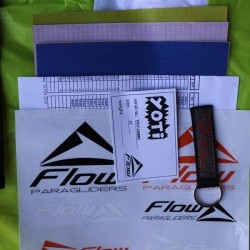
Die Fusion wird geliefert mit:

  • Flow Paragliders Rucksack – S, M oder L
  • Reperaturset
  • Flow Paragliders Schlüsselanhänger
  • Aufkleber

Colours

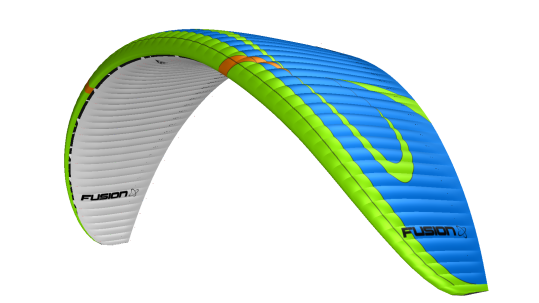
Ocean

 
Flow Fusion
Flow Fusion

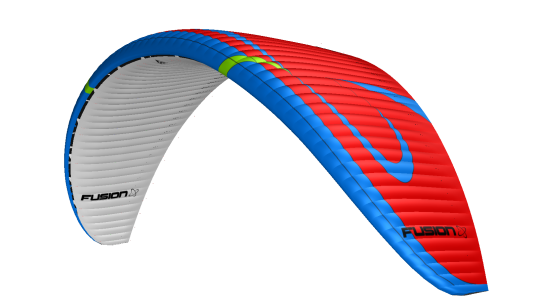
Red

Flow Fusion
Flow Fusion

Fire

Flow Fusion
Flow Fusion

Quelle: http://www.flowparagliders.com.au/fusion/

Test  Flow Fusion ZIAD BASSIL: 
Thursday, October 10, 2019

FLOW Fusion M


FLOW Fusion M
 
Flow is the new Australian brand. The XC racer is their EN-D 2 liner glider, and they released a beautiful new CCC, the Spectra.
The Fusion is their new EN-C glider.
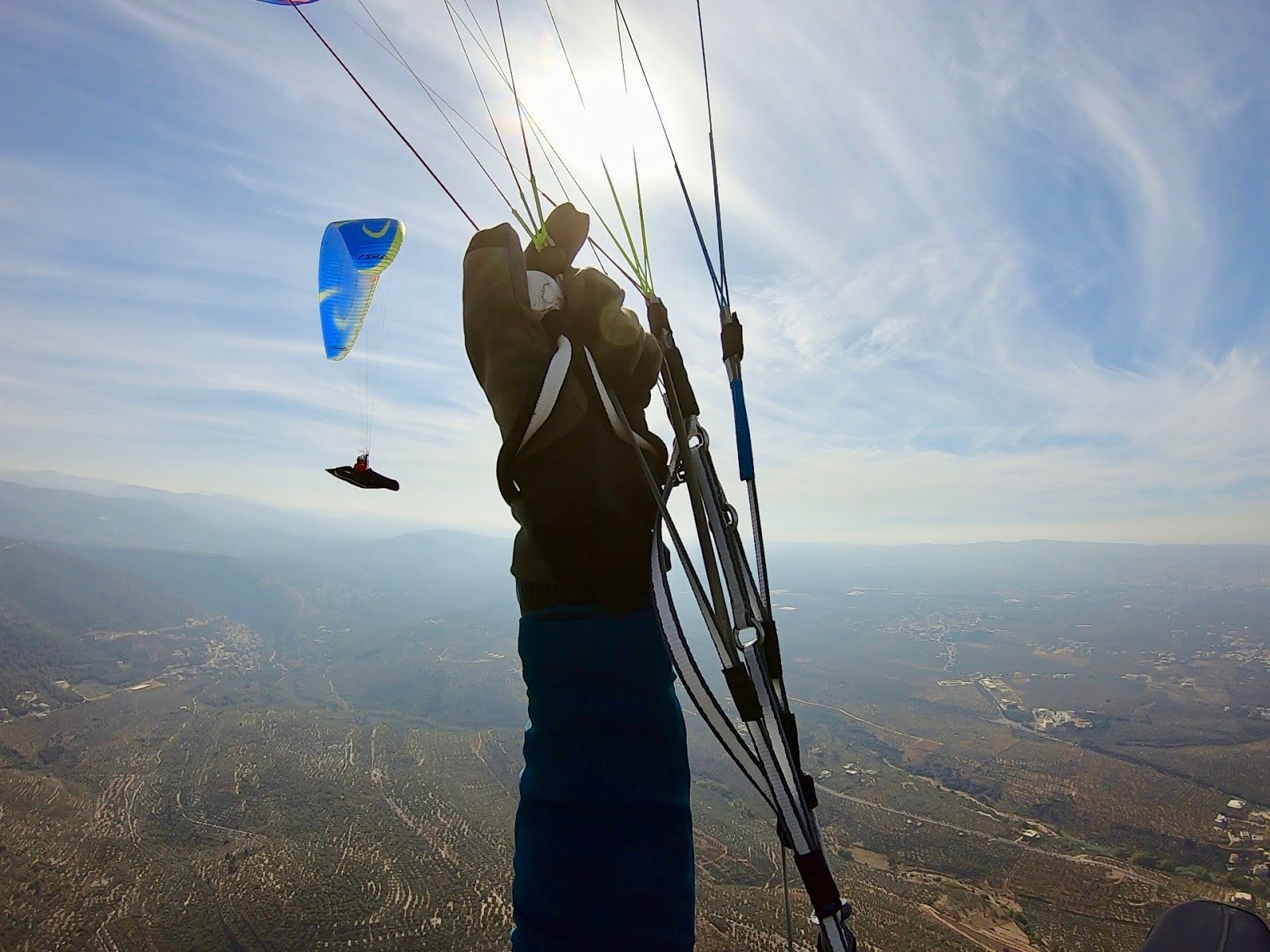
My friend, lend me his M size ( 80-103 ) to test fly it. At first glance, I opened the package and saw a minimalistic line distribution, with a sliding B riser, and C control steering. That amount of very few lines means ‘performance’….Let’s see…
I ballasted up to 99 all up on the M, with my X-rated 6 harness.
Launching the Fusion with its 6.3 aspect ratio is a piece of cake. Steady pull, and no surge forward, after a small brake input.
Launching is immediate. I had already shortened the brake lines by 5 cm. That way only 7 cm of the gap remained when the brakes are released.
Full bar is achieved without any tension on the brakes.
 
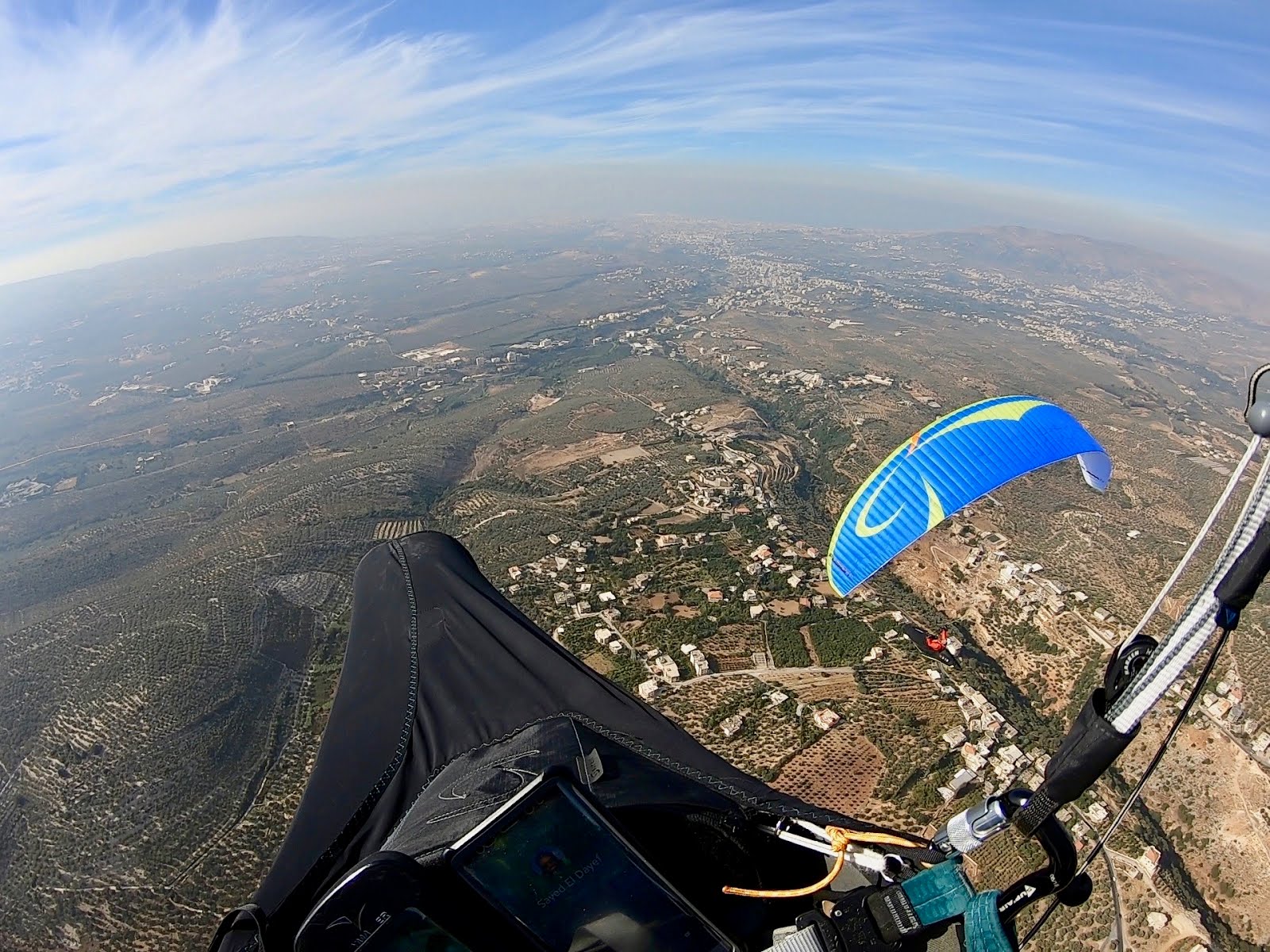
The Fusion was flown next to an Advance X-Alps 2 M, Mantra7 MS, Delta3 ML, Q-light S, in order to understand how it performs in the same conditions.
The brakes have light pressure on the first 10 cm, then slightly harder when pulled beyond 35 cm. The agility is on the average side but ok. In mild conditions, the Fusion can be turned quite tight inside the thermals. The precision of the brakes are good in mellow conditions and slightly less in turbulent cores.
In stronger and turbulent air, I would have wished for more precise control, and slightly better pilot authority on the brakes, in order to put it exactly where I wanted. But as you know, I’m a bit sensitive toward brake authority when test-flying a new glider.
My friend ‘Amer’ who is a Rush 5 pilot, flew the Fusion and commented that it was one of the best handling gliders regarding sensitivity.
And my other friend ‘Sayed’ who is a Cayenne 5 M pilot, commented that it was mellow to his taste and was missing some little spices.
So different opinions for different tastes…regarding the brake authority.
I found it slightly less agile than the Delta 3 MS, and the Q-Light S, but turns flatter! and has this new ‘search, grab and hold’ feature to never let go of a thermal!
 
I was also very surprised about the mellow feel under this 6.3 aspect ratio glider! It’s really a very dampened C glider. Probably one of the most pitch stable and overall stable glider in the C category! In average conditions, and high B pilot would find it very easy to fly, as my friends ‘Amer’ and ‘Sayed’ both commented, that its a faster and more performant ‘Rush 5’ with practically the same comfort under it in moderate conditions…
Of course, in stronger air, it needs an active pilot control as the authority on the brakes diminish a little.
But IMHO, any good high B pilot will be welcomed under this C machine.
 
Now the interesting part is the performance in climb and glide. Flying next to those gliders mentioned above, I can confirm a good climb rate for the Fusion M. To be even more precise, i think in smooth weak conditions it floats nicely. Not the best one in its category but a very good one. The strong point in the Fusion climb rate is when there’s an influence of little wind or valley breeze. Even in weak thermals, the Fusion surfs the air and grab that thermal. The more valley breeze, the more efficient the Fusion is for a C glider. When the climb is well built, the Fusion climbs very nicely. There’s not any pitch movement in moderate conditions, to the point of wondering how the hell it is searching for that lift and climbing!
 
After trying some good glides with reference gliders in the C and D category, I was very impressed by the glide angle of the Fusion!
Not only the Fusion is trimmed fast but it surfs the air without any pitch behavior to deteriorate that glide. On the contrary, it searches smoothly and calmly with a positive vario the lift in the airmass. To describe it best, it looks like sitting comfortably in a (TGV)!
Flow has created its best glider so far concerning glide efficiency. The Fusion scores the best glide angle in the C category at trim speed and could match some recent D gliders, except the M7, and close to the best C’s at full bar!
I’m waiting for the S size, which could be hopefully more agile. Let’s wait and see…
 
The top speed is around 12-13 km/h over trim, with pulleys overlapping.
The C controls have a slightly moderate to hard pressure, but efficient to keep the glider in control in overall conditions.
ears are stable, slightly efficient and reopen with a little pilot input.
 
Conclusion:
I don’t know how they did it…But I think Flow has forged the Fusion with aboriginal magic! 
 
An excellent glide angle for that C glider, and a high level of comfort.


Flow Fusion S (70-92)

After flying the M size, I flew the S size from 88 till 92 to find that the optimum weight for the S size was around the top weight. At 90 the Fusion still climbs well, even in weak conditions.

At 92 it surfs well the air and the glide headwind in amazing for the C class! The authority on the rakes for the S size at top weight is better than the M size at 100, as I found it slightly more agile. To place it accurately in terms of feel, the brake travel and the precision of the turn are slightly less than a Sector, Cayenne 5, or Queen 2 for example, but still very satisfying.
The Fusion transmits the glider movements by the risers, not by the brakes.

In turbulent and jumpy conditions, you need a long pull to control it overhead, but the overall movements are soft.
The leading edge has a strong tendency to avoid frontals. When trying to shot forward the leading edge intentionally, the Fusion leading-edge resist to collapse, and frontals are well delayed.
The brake travel is long before the stall, with brakes under the seat, the Fusion also resist well before stalling.

Big ears are stable on the S size and reopen with pilot input.

Conclusion: Flying it at 90-92, I found it well balanced without being flown heavy. It seems that you can float nicely even flying it on top.
Like its bigger sister, the S size is not trimmed differently. It is a true balanced S size C glider, with lots of performance, and especially good passive safety for the category, and gives a relaxed feel under it. It is more agile than the M. As I described the high level of comfort under it, I have to point out that the Fusion S is an agile glider, with a medium brake-travel.